

Wireless Charging Phones: The Ultimate Guide

For those of us who are always on the move—whether traveling for work, heading out on a weekend adventure, or just managing a busy family schedule—reliable power is non-negotiable. A wireless charging phone isn't just about a tidy nightstand; it's the hub of a mobile power ecosystem. It’s about having a seamless transition from your desk, to your car, to your portable power bank without ever fumbling for a cord. This guide is for anyone who needs their gear to be as prepared and dependable as they are. We’ll explore how to choose a phone and accessories that create a powerful, cord-free setup that keeps you connected no matter where you are.

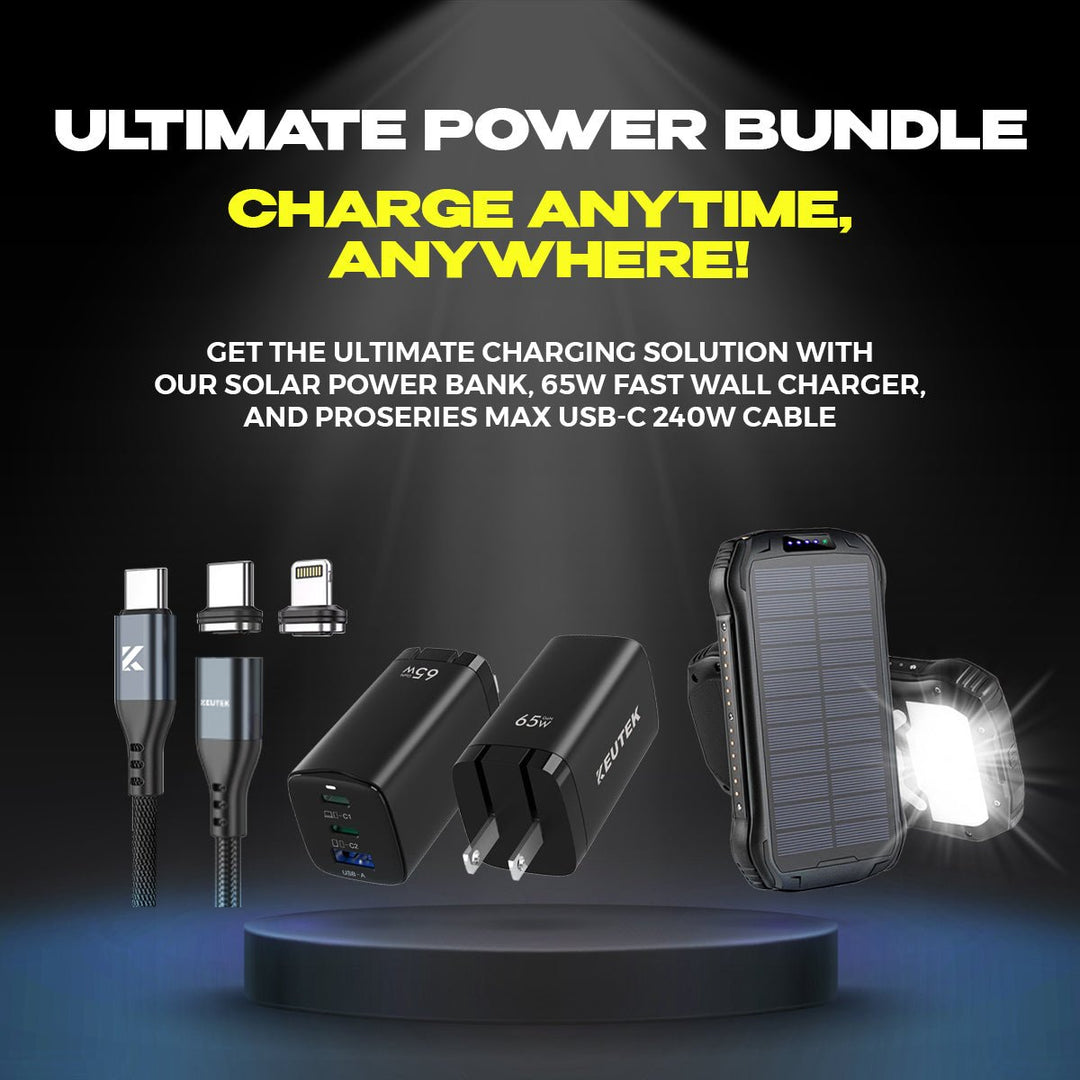
Portable Solar Power Bank 26800mAh - 99Wh Fast Charger
Lithium Polymer (Li-Po) battery. PD fast charging. Holds up to 8 days of reliable power on a single charge. Boasts a charging speed 50% faster than ordinary portable chargers.
Shop NowKey Takeaways
- Your charger is only as strong as its power source: To get the fastest wireless speeds, your phone, charging pad, and wall adapter must all be up to the task. Pairing a high-performance pad with a weak adapter won't deliver the results you want.
- Smart habits protect your battery health: The real threat to your phone's battery isn't the charging method—it's heat and consistently charging to 100%. Avoid leaving your phone on any charger long after it's full to preserve its lifespan.
- Look for features that fit your lifestyle: The best wireless charging phone for you goes beyond basic capabilities. Consider practical extras like reverse charging to power your earbuds or magnetic alignment for a perfect connection in your car.
How Does Wireless Charging Actually Work?
Wireless charging can feel a bit like magic. You just set your phone down on a pad, and it starts powering up—no fumbling with cables required. But it’s not magic; it’s just clever science that makes your life a little easier. Understanding how it works can help you get the most out of your gear, whether you’re at your desk or on the go. It all comes down to a process called electromagnetic induction, a universal standard that keeps things simple, and knowing the truth behind a few common myths.
The Science of Wireless Charging
At its core, wireless charging uses a principle called electromagnetic induction to transfer energy. Your wireless charging pad, which is plugged into a power source like a wall outlet, contains a transmitter coil. When you turn it on, this coil creates an alternating electromagnetic field around the pad. Inside your phone, there’s a compatible receiver coil. When you place your phone on the charger, this field induces an electric current in the phone's coil, which is then converted into power that charges your battery. So, while it’s called "wireless," the charging pad itself still needs a reliable connection to power, like one from a fast wall charger.
What is the Qi Standard?
If you’ve shopped for a wireless charger, you’ve probably seen the "Qi" logo. Pronounced "chee," Qi is the global standard for wireless charging. This is great news for everyone because it means you don't need a specific charger for each device. Any Qi-certified phone will work with any Qi-certified charger, regardless of the brand. The standard is always evolving, too. The newer Qi2 standard incorporates magnets for perfect alignment every time—similar to Apple's MagSafe—which makes charging more efficient and reliable. This universal compatibility is what makes building a seamless charging setup for all your devices so simple.
Busting Common Wireless Charging Myths
One of the biggest concerns people have is whether wireless charging is bad for their phone's battery. The myth usually centers on the idea that it produces more heat than wired charging, which can degrade battery health over time. While it's true that excess heat is the enemy of any battery, the real issue isn't wireless charging itself but poor charging habits. According to experts, any charging method can cause wear if used incorrectly. Things like constantly charging your phone to 100%, leaving it on the charger for extended periods after it's full, or using a low-quality, uncertified charger are the real culprits behind battery degradation.
Popular Phones with Wireless Charging
Wondering if your phone can charge without a cord? Chances are, it can. Most major smartphone brands have embraced Qi wireless charging, making it a standard feature in their flagship and even mid-range models. From Apple to Samsung and beyond, the convenience of drop-and-go charging is more accessible than ever. Let's look at some of the most popular phones that support this handy feature.
Apple iPhones
Apple joined the wireless charging scene with the iPhone 8 and has included the feature in every model since. If you have an iPhone 8 or newer, you can simply place it on a Qi-compatible charging pad to power up. With the introduction of the iPhone 12, Apple also rolled out MagSafe technology, which uses magnets to perfectly align the phone on the charger for a more efficient and stable connection. This makes fumbling for the "sweet spot" a thing of the past and ensures you get a reliable charge every time you set your phone down.
Samsung Galaxy Phones
Samsung has been a long-time supporter of wireless charging, including it in their Galaxy S and Note series since the S6. This makes them one of the pioneers in bringing cable-free convenience to the mainstream Android market. Many newer Samsung devices also feature Wireless PowerShare, a cool function that lets you use the back of your phone to charge other Qi-enabled devices, like earbuds or a friend's phone. This commitment to versatile power solutions makes Samsung a popular choice for users who value both convenience and the ability to share power on the go.
Google Pixels
Google integrated wireless charging into its lineup starting with the Pixel 3. Since then, every flagship Pixel phone has come equipped with this capability, allowing for easy, cord-free power-ups. Google has also developed its own smart charging stands, like the Pixel Stand, which can turn your phone into a smart display while it charges. This feature is perfect for at-a-glance notifications, photo slideshows, or controlling your smart home devices. It’s a great example of how wireless charging technology can be more than just a way to power your battery.
Other Popular Models: OnePlus & Huawei
The wireless charging club isn't exclusive to just the big three. Brands like OnePlus and Huawei have also enthusiastically adopted the technology in their recent flagship models. OnePlus, known for its incredibly fast charging speeds, has brought that same focus to its wireless solutions, ensuring you don't have to sacrifice speed for convenience. Similarly, many of Huawei's high-end phones support robust wireless charging. This trend shows that no matter your brand preference, you can likely find a phone with wireless charging that fits your needs.
Powering Your Phone with a KEUTEK Charger
No matter which wireless-charging phone you own, you need a reliable charger to get the job done right. That's where we come in. Our fast wireless chargers are designed for universal compatibility, providing efficient and safe power to your iPhone, Samsung Galaxy, Google Pixel, and more. Built for durability and performance, a KEUTEK charger ensures your device gets the stable, fast charge it needs, whether you're at your desk, in your car, or exploring the outdoors. It’s the perfect power companion for a life that demands dependable gear.
What to Look For in a Wireless Charging Phone
When you're ready to buy a new phone, wireless charging capability is more than just a simple "yes" or "no" feature. The quality and performance of wireless charging can vary significantly from one device to another. Understanding the key differences will help you pick a phone that not only cuts the cord but also fits seamlessly into your life, whether you're powering up at your desk, in your car, or with a portable charger on a weekend trip.
It’s not just about the convenience of dropping your phone on a pad. You’ll want to consider how fast it charges, how it impacts your phone's long-term battery health, and what other clever tricks it has up its sleeve. A phone is a big investment, and making sure its wireless features meet your standards is crucial. From the power it can handle to its compatibility with your favorite case, these are the details that make for a great wireless charging experience.
Charging Speed and Power
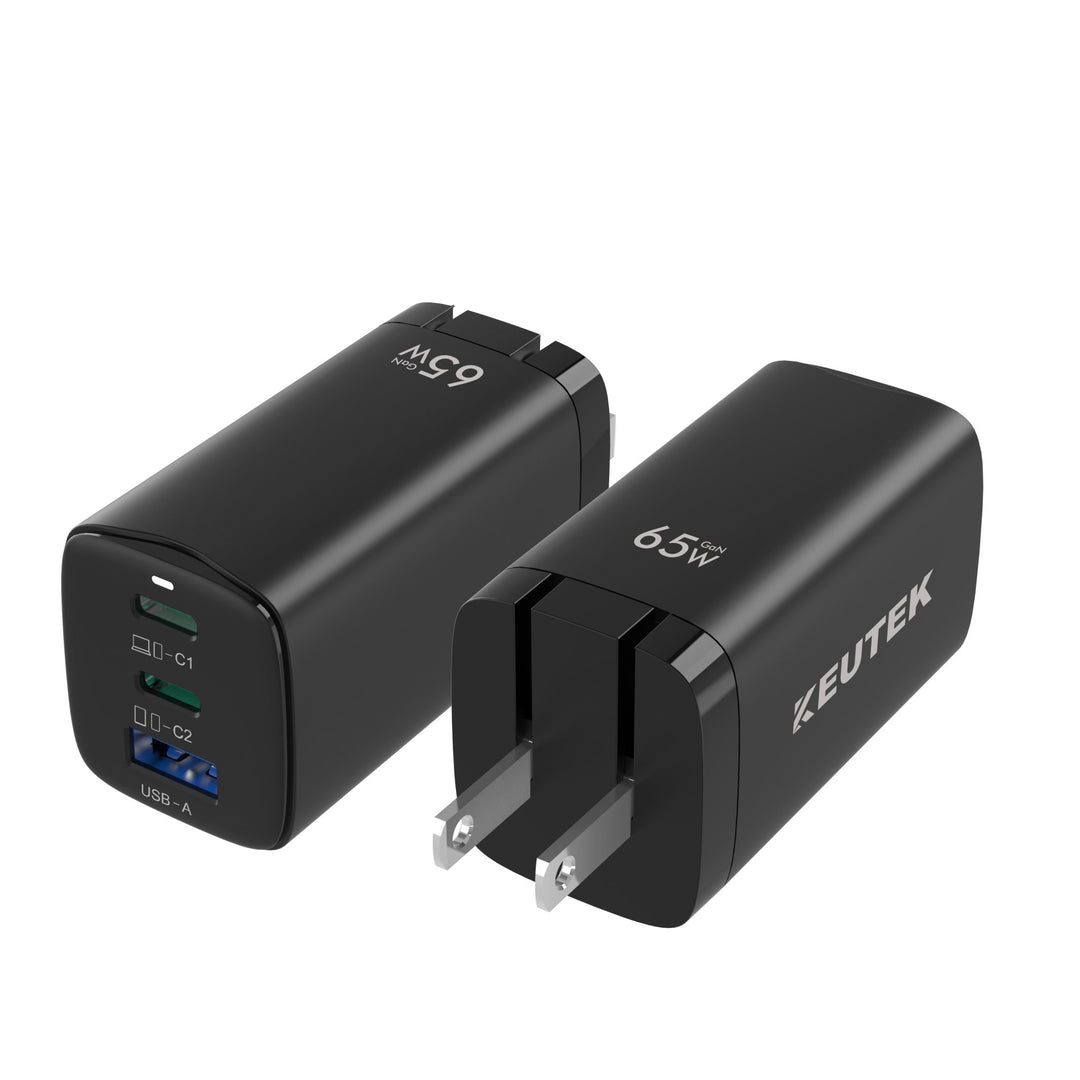
Not all wireless charging is created equal. A phone's wireless charging speed is measured in watts (W), and a higher number generally means a faster charge. While many phones support a standard 5W or 7.5W, premium models can often handle 15W or more. However, the actual speed you get depends on several factors, including the phone's temperature, its current battery level, and even how you place it on the charger. To get the best speeds, you also need a wireless charging pad and a power adapter that can deliver that wattage, like a reliable fast wall charger that provides consistent power.
Battery Health and Capacity
You may have heard the myth that wireless charging is bad for your phone's battery. The truth is, any form of charging generates some heat, and excessive heat is what degrades a battery over time. Modern phones with wireless charging have built-in safeguards to manage temperature. Ultimately, your charging habits matter more than the method. Consistently charging your phone to 100% and leaving it on the charger for hours can wear out your battery faster, whether you're using a cable or a wireless pad. Look for phones with optimized charging features that learn your routine to help preserve battery health.
Can It Share Power? (Reverse Charging)
One of the most useful innovations in wireless technology is reverse wireless charging, sometimes called power sharing. This feature allows your phone to act as a wireless charging pad for other Qi-enabled devices. It’s perfect for giving a quick charge to your wireless earbuds, a smartwatch, or even a friend’s phone when you're in a pinch. While it’s not meant to replace a dedicated charger, it’s an incredibly handy feature for travelers and anyone who carries multiple gadgets. When comparing phones, check if they can also act as wireless chargers and at what speed they can share power.
Design and Case-Friendliness
A phone's design can impact its wireless charging performance. The placement of the internal charging coil needs to align with the coil in your charging pad for an efficient connection. Some phones even have magnets, like Apple's MagSafe, to ensure perfect alignment every time. You should also consider your phone case. While most thin plastic or silicone cases work fine, thick, rugged cases or those with metal components or pop sockets can interfere with the connection. If you prefer a heavy-duty case, look for one that is explicitly certified as "wireless charging compatible."
Smart Charging Features
Top-tier smartphones come with intelligent features designed to make charging safer and more efficient. Optimized charging, for example, learns your daily routine and waits to finish charging past 80% until you need it, reducing battery strain. Some phones also communicate with certified chargers to regulate temperature and charging speed. As you rely more on wireless charging, especially on the go with fast charging portable power, these smart features work in the background to protect your device and extend its lifespan. They represent the continuous improvement in wireless technology, making it a smarter choice than ever.
The Pros and Cons of Going Wireless
The idea of dropping your phone on a pad and watching it power up is pretty appealing. Going wireless can declutter your space and simplify your routine, but it’s not always the perfect solution for every situation. Like any technology, it comes with its own set of trade-offs. Before you ditch your cables completely, it’s helpful to understand what you gain and what you might give up. Let’s look at the key benefits and drawbacks so you can decide if wireless charging fits your lifestyle.
The Freedom of Cord-Free Charging
The biggest win for wireless charging is pure convenience. There’s no need to fumble for a cable in the dark or untangle a mess of cords behind your nightstand. You just place your device on a charging pad, and it starts powering up. This simplicity is perfect for creating a clean, minimalist workspace or a central charging station for the family. For anyone who values an organized environment, the ability to just set your phone down and go is a major advantage. It streamlines your daily routine by removing the small but repetitive step of plugging and unplugging your phone, making it a seamless part of your environment.
Is It Slower? Efficiency and Speed
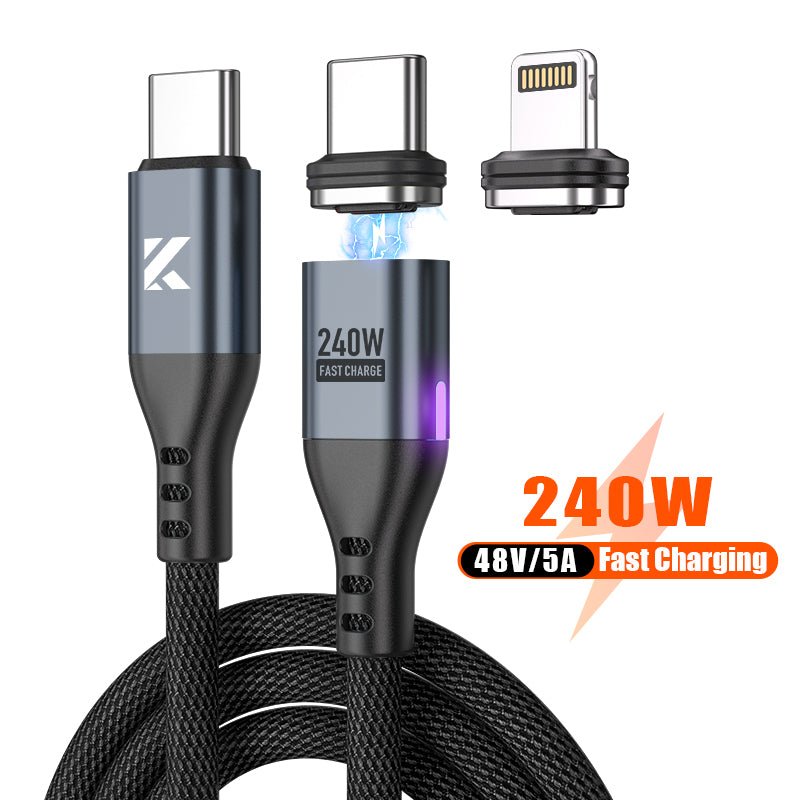
Here’s the honest trade-off: wireless charging is usually slower than plugging in a cable. While the technology is improving, a high-quality wired connection with a fast wall charger will almost always give you the quickest charge. The speed of a wireless charger can be influenced by a few things, like how perfectly you place your phone on the pad, the temperature of the room, and your phone’s battery health. So, while wireless is great for topping off your battery at your desk or overnight, a durable ProSeries USB-C cable is your best bet when you need power in a hurry.
Safety and Heat: What to Know
You might have heard that wireless charging is bad for your phone’s battery because it generates more heat. It’s true that the process of electromagnetic induction creates some warmth, but it’s not inherently damaging. In reality, any type of charging can affect your battery’s long-term health if done improperly—like consistently leaving your phone on the charger after it hits 100%. Reputable wireless chargers are built with safety features to manage temperature and prevent overcharging. The key is to use quality gear and practice smart charging habits, whether you’re using a cable or a wireless pad.
How to Choose the Right Wireless Charging Phone
Picking a new phone is a big decision, and finding one that fits your wireless lifestyle is key. It’s not just about whether it can charge wirelessly, but how well it does it and how it fits into your daily routine. From your morning commute to your weekend adventures, the right phone should make powering up feel effortless. Let's break down what really matters so you can choose a device that keeps up with you and all your gear.
Consider Your Daily Use
First, think about your typical day. Are you constantly on the move, relying on a power bank to get through back-to-back meetings? Or do you spend most of your day at a desk where a charging stand would be perfect? If you’re an outdoor adventurer or a frequent traveler, battery capacity and compatibility with a fast portable power bank are probably your top priorities.
Most modern flagship phones from brands like Apple, Samsung, and Google have wireless charging built-in. But it's always smart to double-check the list of compatible devices to be sure. If you're considering a mid-range or older model, you might need a special case or adapter to enable wireless charging. Your phone should simplify your life, not complicate it, so start by matching its capabilities to your routine.
Compare Key Specs and Features
Once you have a few options in mind, it’s time to look at the specs. Go beyond the marketing and check the numbers. Look for the battery capacity, measured in milliamp-hours (mAh)—a higher number generally means a longer life between charges. Also, see if the phone supports reverse wireless charging (sometimes called "PowerShare"). This feature lets you use your phone as a wireless charging pad to power up your earbuds or another phone, which is incredibly useful in a pinch.
Don’t forget about the build quality. A phone with a durable glass or premium composite back will not only feel better but will also work more reliably with wireless chargers. Pay attention to the camera bump, too. A large, protruding camera can sometimes interfere with getting a solid connection on a flat charging pad.
Decode Wireless Charging Speeds
Not all wireless charging is created equal. The speed is measured in watts (W), and a higher number means a faster charge. While wired charging is often still the fastest option, wireless technology is catching up. Most new phones support at least 7.5W or 10W, with some premium models hitting 15W or more. To get those top speeds, you need a phone and a charging pad that both support the same standard.
Keep in mind that real-world speeds can be affected by things like your phone's temperature, its battery level, and how you place it on the charger. For consistent and speedy results, pairing your phone with high-quality fast wall chargers is the best way to ensure you’re getting the maximum power possible.
Check Compatibility with Your Gear
Finally, make sure your new phone plays well with the accessories you already own or plan to buy. The universal standard for wireless charging is Qi (pronounced "chee"), so look for the Qi logo on the phone’s packaging or spec sheet. This ensures it will work with the widest range of chargers.
Think about your entire charging ecosystem. Does your car have a built-in wireless charger, or will you need a fast car charger that can power your new device at top speed? Consider your cables, too. Many wireless charging pads still need to be plugged into the wall, so having a durable, high-performance cable like a ProSeries USB-C ensures your charger gets the stable power it needs to work efficiently.
Get the Most Out of Your Wireless Charger
Switching to a wireless charging phone is a game-changer for convenience. But just dropping your phone on a pad doesn't always guarantee the best experience. A few simple habits can make a huge difference in charging speed and efficiency. Think of it as learning the sweet spot for your new gear. From aligning your phone just right to picking the perfect accessories, these tips will help you get a fast, reliable charge every single time, whether you're at your desk or on the road.
How to Charge for the Best Results
For the fastest wireless charge, placement is everything. Inside your phone and the charging pad are coils that transmit power, and they need to be lined up. If your phone is off-center, you might see a "charging" notification, but the speed will be much slower. Make it a habit to place your phone directly in the middle of the pad. Some phone cases can also interfere with charging, especially thick, rugged ones or those with metal plates or pop sockets. If you notice slow charging, try removing the case to see if it helps. A little adjustment can make a big difference in how quickly you get back to 100%.
Find the Right Charging Pad and Accessories
Not all wireless chargers are created equal. To ensure safety and performance, always choose a charger that is Qi-certified. This is the universal standard, so you know it will work correctly with your phone. But the pad is only half the equation; the power adapter you plug into the wall is just as important. Using a weak adapter with a powerful charging pad is like putting regular fuel in a race car. To get the maximum speed your charger and phone can handle, you need one of our fast wall chargers that can deliver enough wattage.
Charge Multiple Devices at Once
If your desk is starting to look like a mess of cables for your phone, smartwatch, and earbuds, a multi-device charger can clean things up. These pads have dedicated spots to power all your essential gear at once. Some newer phones also have a feature called reverse wireless charging, which lets your phone act as a wireless charger for other devices. It’s incredibly handy for giving your earbuds a quick power-up when you’re away from an outlet. Just turn on the feature and place your earbuds case on the back of your phone. It’s a perfect example of how modern devices are designed to work together seamlessly.
Wireless Charging on the Go
Your cord-free life doesn't have to stop when you leave the house. A fast car charger with a wireless charging mount is perfect for keeping your phone topped off while you’re running errands or on a road trip. No more fumbling with cables while you’re trying to use GPS. For true freedom, a portable power bank with wireless charging capabilities is a must-have for travelers, outdoor adventurers, and anyone who wants to be prepared. Our fast-charging portable power solutions let you just set your phone on the battery pack in your bag or on a table to start charging instantly.
What's Next for Wireless Charging?
Wireless charging has already changed how we power our daily lives, but the technology is far from finished. The convenience we enjoy today is just the beginning. Engineers and innovators are working on some exciting advancements that will make charging faster, more seamless, and even better for the planet. The future of wireless power is less about just cutting the cord and more about creating a truly effortless and intelligent charging experience. Let's look at what you can expect to see in the coming years.
Faster Speeds and Better Efficiency
If you’ve ever felt that wireless charging can’t keep up with its wired counterparts, that’s about to change. The next wave of wireless technology is focused on delivering more power, more quickly. The Qi standard, which ensures your phone and charger can talk to each other, is constantly evolving to support faster speeds. This means less time waiting for your battery to fill up and more time getting things done.
As the technology improves, you can expect wireless charging to become just as fast as plugging into a powerful wall adapter. The goal is to make grabbing a quick charge completely effortless, whether you’re setting your phone down for five minutes or overnight. This push for speed and efficiency will make wireless the go-to choice for everyone, not just a convenient backup.
True Over-the-Air Charging
Imagine walking into your home or office and having your phone start charging in your pocket—no pads, no cables, no contact required. This is the promise of true over-the-air (OTA) charging. While it sounds like something from a sci-fi movie, companies are actively developing systems that can send power safely across a room to multiple devices at once.
This technology represents the ultimate convenience, creating a future where you never have to think about your battery level again. The vision for this technology is a world where power is as accessible as Wi-Fi. While we’re still a few years away from seeing this in every home, it’s the long-term goal that is driving much of the innovation in the wireless charging space.
A More Sustainable Way to Power Up
The future of charging isn't just about convenience; it's also about being smarter with our resources. Future wireless technologies are being designed with sustainability in mind. This includes improving energy efficiency to ensure that less electricity is wasted as heat during the charging process. A more efficient transfer of power means a smaller environmental footprint every time you charge your device.
Furthermore, as wireless charging becomes the universal standard, it could reduce our reliance on physical cables. Fewer cables mean less electronic waste ending up in landfills. This focus on sustainable power solutions aligns with building durable, long-lasting products that don't need to be replaced every year. It’s about creating a charging ecosystem that is not only powerful and convenient but also responsible.
Related Articles
- Is Wireless Charging Possible? How It Works | KEUTEK
- Wireless Charging Guide: Does It Work on All Phones? | KEUTEK
- Wirelessly Charge Smarter: Your Ultimate 2025 Guide | KEUTEK
- Best Wireless Charging Mobile Phones: Top Picks Now | KEUTEK
- Are Wireless Chargers Harmful to Your Health? | KEUTEK
Frequently Asked Questions
Is wireless charging always slower than using a cable? In most cases, yes, a direct wired connection with a high-quality cable will power up your phone faster than a wireless pad. Think of wireless charging as the perfect solution for convenience—like topping off your battery at your desk or charging overnight. When you need to get from 10% to 80% in a hurry before heading out, plugging into a fast wall charger is still your best bet.
Do I need a special wall adapter for my wireless charging pad? Yes, and this is something a lot of people overlook. The charging pad itself doesn't create power; it just transfers it. The speed of your wireless charge is determined by the wall adapter it's plugged into. If you use the old, slow power brick that came with a phone years ago, you'll get a slow charge. To get the best performance, you need to pair your wireless pad with a powerful adapter that can deliver the wattage it needs.
Can I leave my phone on a wireless charger overnight? You absolutely can. This is a common worry, but modern smartphones and certified wireless chargers are built with safety in mind. Your phone is smart enough to stop drawing power once it's full, and many devices have optimized charging features that learn your routine to protect the battery's long-term health. Quality chargers also have temperature sensors to prevent overheating, so you can rest easy.
Will my phone charge wirelessly with its case on? For the most part, yes. Most standard cases made from plastic, silicone, or leather are thin enough to not interfere with the charging connection. Where you might run into trouble is with very thick, rugged cases or those that have metal components, magnets, or a pop socket on the back. These can block the signal, so if you prefer a heavy-duty case, look for one that is specifically marked as "wireless charging compatible."
What's the real difference between Qi and MagSafe? Think of Qi as the universal language for wireless charging that allows phones and chargers from different brands to work together. MagSafe is Apple's specific technology for iPhones. It's built on the Qi standard but adds magnets around the charging coil. This ensures the phone snaps into the perfect alignment on the charger every time, which makes the connection more stable and efficient.


Leave a comment